Relative vs absolute paths
Relative vs absolute paths
Re-xy路径问题
相对路径和绝对路径
- 相对路径
- 相对路径的规则是: 以当前资源所在的路径为出发点去寻找目标资源
- 相对路径不以
/开头 - 在file协议下,使用的是磁盘路径
- 在http协议下,使用的是
url路径 - 相对路径中可以使用
./表示当前资源所在路径,可以省略不写 - 相对路径中可以使用
../表示当前资源所在路径的上一层路径,需要时要手动添加
- 绝对路径
- 绝对路径的规则是: 使用以一个固定的路径做出出发点去寻找目标资源,和当前资源所在的路径没有关系
- 绝对路径要以
/开头 - 绝对路径的写法中,不以当前资源的所在路径为出发点,所以不会出现
./和../ - 不同的项目和不同的协议下,绝对路径的基础位置可能不同,要通过测试确定
- 绝对路径的好处就是:无论当前资源位置在哪,寻找目标资源路径的写法都一致
- 应用场景
- 前端代码中,href src action 等属性
- 请求转发和重定向中的路径
前端路径问题
前端项目结构
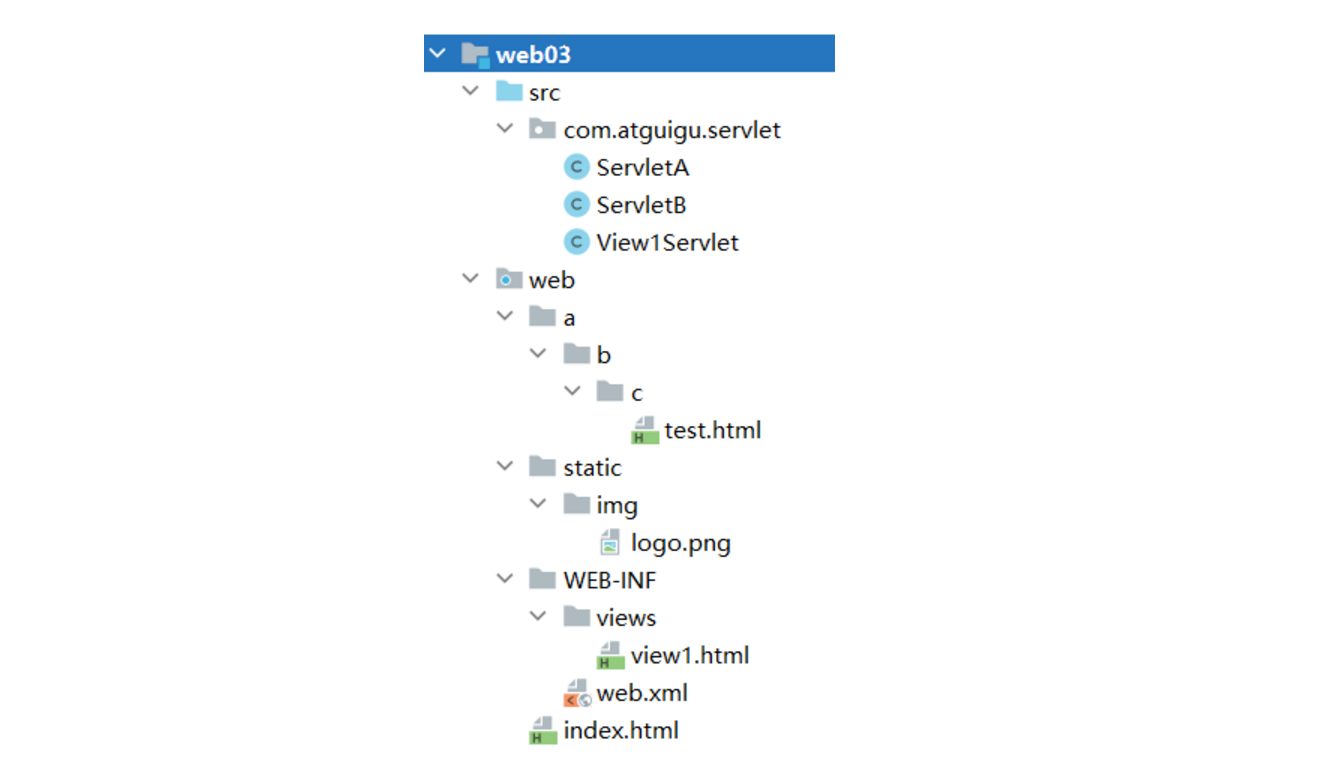
相对路径分析
相对路径情况1:
web/index.html中引入web/static/img/logo.png
- 访问index.html的url为 :
http://localhost:8080/web03_war_exploded/index.html - 当前资源为 :
index.html - 当前资源的所在路径为 :
http://localhost:8080/web03_war_exploded/ - 要获取的目标资源url为 :
http://localhost:8080/web03_war_exploded/static/img/logo.png - index.html中定义的了 :
<img src="static/img/logo.png"/> - 寻找方式就是在当前资源所在路径(
http://localhost:8080/web03_war_exploded/)后拼接src属性值(static/img/logo.png),正好是目标资源正常获取的url(http://localhost:8080/web03_war_exploded/static/img/logo.png)
1 |
|
相对路径情况2:
web/a/b/c/test.html中引入web/static/img/logo.png
- 访问test.html的url为 :
http://localhost:8080/web03_war_exploded/a/b/c/test.html - 当前资源为 :
test.html - 当前资源的所在路径为 :
http://localhost:8080/web03_war_exploded/a/b/c/ - 要获取的目标资源url为 :
http://localhost:8080/web03_war_exploded/static/img/logo.png - test.html中定义的了 :
<img src="../../../static/img/logo.png"/> - 寻找方式就是在当前资源所在路径(
http://localhost:8080/web03_war_exploded/a/b/c/)后拼接src属性值(../../../static/img/logo.png),其中 ../可以抵消一层路径,正好是目标资源正常获取的url(http://localhost:8080/web03_war_exploded/static/img/logo.png)
1 |
|
相对路径情况3:
web/WEB-INF/views/view1.html中引入web/static/img/logo.png
- view1.html在WEB-INF下,需要通过Servlet请求转发获得
1 |
|
- 访问view1.html的url为 :
http://localhost:8080/web03_war_exploded/view1Servlet - 当前资源为 :
view1Servlet - 当前资源的所在路径为 :
http://localhost:8080/web03_war_exploded/ - 要获取的目标资源url为 :
http://localhost:8080/web03_war_exploded/static/img/logo.png - view1.html中定义的了 :
<img src="static/img/logo.png"/> - 寻找方式就是在当前资源所在路径(
http://localhost:8080/web03_war_exploded/)后拼接src属性值(static/img/logo.png),正好是目标资源正常获取的url(http://localhost:8080/web03_war_exploded/static/img/logo.png)
1 |
|
绝对路径分析
绝对路径情况1:
web/index.html中引入web/static/img/logo.png
- 访问index.html的url为 :
http://localhost:8080/web03_war_exploded/index.html - 绝对路径的基准路径为 :
http://localhost:8080 - 要获取的目标资源url为 :
http://localhost:8080/web03_war_exploded/static/img/logo.png - index.html中定义的了 :
<img src="/web03_war_exploded/static/img/logo.png"/> - 寻找方式就是在基准路径(
http://localhost:8080)后面拼接src属性值(/web03_war_exploded/static/img/logo.png),得到的正是目标资源访问的正确路径
1 |
|
绝对路径情况2:
web/a/b/c/test.html中引入web/static/img/logo.png
- 访问test.html的url为 :
http://localhost:8080/web03_war_exploded/a/b/c/test.html - 绝对路径的基准路径为 :
http://localhost:8080 - 要获取的目标资源url为 :
http://localhost:8080/web03_war_exploded/static/img/logo.png - test.html中定义的了 :
<img src="/web03_war_exploded/static/img/logo.png"/> - 寻找方式就是在基准路径(
http://localhost:8080)后面拼接src属性值(/web03_war_exploded/static/img/logo.png),得到的正是目标资源访问的正确路径
1 |
|
绝对路径情况3:
web/WEB-INF/views/view1.html中引入web/static/img/logo.png
- view1.html在WEB-INF下,需要通过Servlet请求转发获得
1 |
|
- 访问view1.html的url为 :
http://localhost:8080/web03_war_exploded/view1Servlet - 绝对路径的基准路径为 :
http://localhost:8080 - 要获取的目标资源url为 :
http://localhost:8080/web03_war_exploded/static/img/logo.png - view1.html中定义的了 :
<img src="/web03_war_exploded/static/img/logo.png"/> - 寻找方式就是在基准路径(
http://localhost:8080)后面拼接src属性值(/static/img/logo.png),得到的正是目标资源访问的正确路径
1 |
|
base标签的使用
base标签定义页面相对路径公共前缀
- base 标签定义在head标签中,用于定义相对路径的公共前缀
- base 标签定义的公共前缀只在相对路径上有效,绝对路径中无效
- 如果相对路径开头有
./或者../修饰,则base标签对该路径同样无效
index.html和a/b/c/test.html以及view1Servlet中的路径处理
1 |
|
缺省项目上下文路径
项目上下文路径变化问题
- 通过 base标签虽然解决了相对路径转绝对路径问题,但是base中定义的是项目的上下文路径
- 项目的上下文路径是可以随意变化的
- 一旦项目的上下文路径发生变化,所有base标签中的路径都需要改
解决方案
- 将项目的上下文路径进行缺省设置,设置为 /,所有的绝对路径中就不必填写项目的上下文了,直接就是/开头即可
重定向中的路径问题
目标 :由
/x/y/z/servletA重定向到a/b/c/test.html
1 |
|
相对路径写法
- 访问ServletA的url为 :
http://localhost:8080/web03_war_exploded/x/y/z/servletA - 当前资源为 :
servletA - 当前资源的所在路径为 :
http://localhost:8080/web03_war_exploded/x/x/z/ - 要获取的目标资源url为 :
http://localhost:8080/web03_war_exploded/a/b/c/test.html - ServletA重定向的路径 :
../../../a/b/c/test/html - 寻找方式就是在当前资源所在路径(
http://localhost:8080/web03_war_exploded/x/y/z/)后拼接(../../../a/b/c/test/html),形成(http://localhost:8080/web03_war_exploded/x/y/z/../../../a/b/c/test/html)每个../抵消一层目录,正好是目标资源正常获取的url(http://localhost:8080/web03_war_exploded/a/b/c/test/html)
1 |
|
绝对路径写法
- 访问ServletA的url为 :
http://localhost:8080/web03_war_exploded/x/y/z/servletA - 绝对路径的基准路径为 :
http://localhost:8080 - 要获取的目标资源url为 :
http://localhost:8080/web03_war_exploded/a/b/c/test.html - ServletA重定向的路径 :
/web03_war_exploded/a/b/c/test.html - 寻找方式就是在基准路径(
http://localhost:8080)后面拼接(/web03_war_exploded/a/b/c/test.html),得到(http://localhost:8080/web03_war_exploded/a/b/c/test.html)正是目标资源访问的正确路径 - 绝对路径中需要填写项目上下文路径,但是上下文路径是变换的
- 可以通过
ServletContext的getContextPath()获取上下文路径 - 可以将项目上下文路径定义为
/缺省路径,那么路径中直接以/开头即可
- 可以通过
1 | //绝对路径中,要写项目上下文路径 |
请求转发中的路径问题
目标 :由
x/y/servletB请求转发到a/b/c/test.html
1 |
|
相对路径写法
- 访问ServletB的url为 :
http://localhost:8080/web03_war_exploded/x/y/servletB - 当前资源为 :
servletB - 当前资源的所在路径为 :
http://localhost:8080/web03_war_exploded/x/x/ - 要获取的目标资源url为 :
http://localhost:8080/web03_war_exploded/a/b/c/test.html - ServletA请求转发路径 :
../../a/b/c/test/html - 寻找方式就是在当前资源所在路径(
http://localhost:8080/web03_war_exploded/x/y/)后拼接(../../a/b/c/test/html),形成(http://localhost:8080/web03_war_exploded/x/y/../../a/b/c/test/html)每个../抵消一层目录,正好是目标资源正常获取的url(http://localhost:8080/web03_war_exploded/a/b/c/test/html)
1 |
|
绝对路径写法
- 请求转发只能转发到项目内部的资源,其绝对路径无需添加项目上下文路径
- 请求转发绝对路径的基准路径相当于
http://localhost:8080/web03_war_exploded - 在项目上下文路径为缺省值时,也无需改变,直接以/开头即可
1 |
|
目标资源内相对路径处理
- 此时需要注意,请求转发是服务器行为,浏览器不知道,地址栏不变化,相当于我们访问test.html的路径为
http://localhost:8080/web03_war_exploded/x/y/servletB - 那么此时 test.html资源的所在路径就是
http://localhost:8080/web03_war_exploded/x/y/所以test.html中相对路径要基于该路径编写,如果使用绝对路径则不用考虑
1 |
|


评论
匿名评论隐私政策
✅ 你无需删除空行,直接评论以获取最佳展示效果